 FROM 2500 UAH

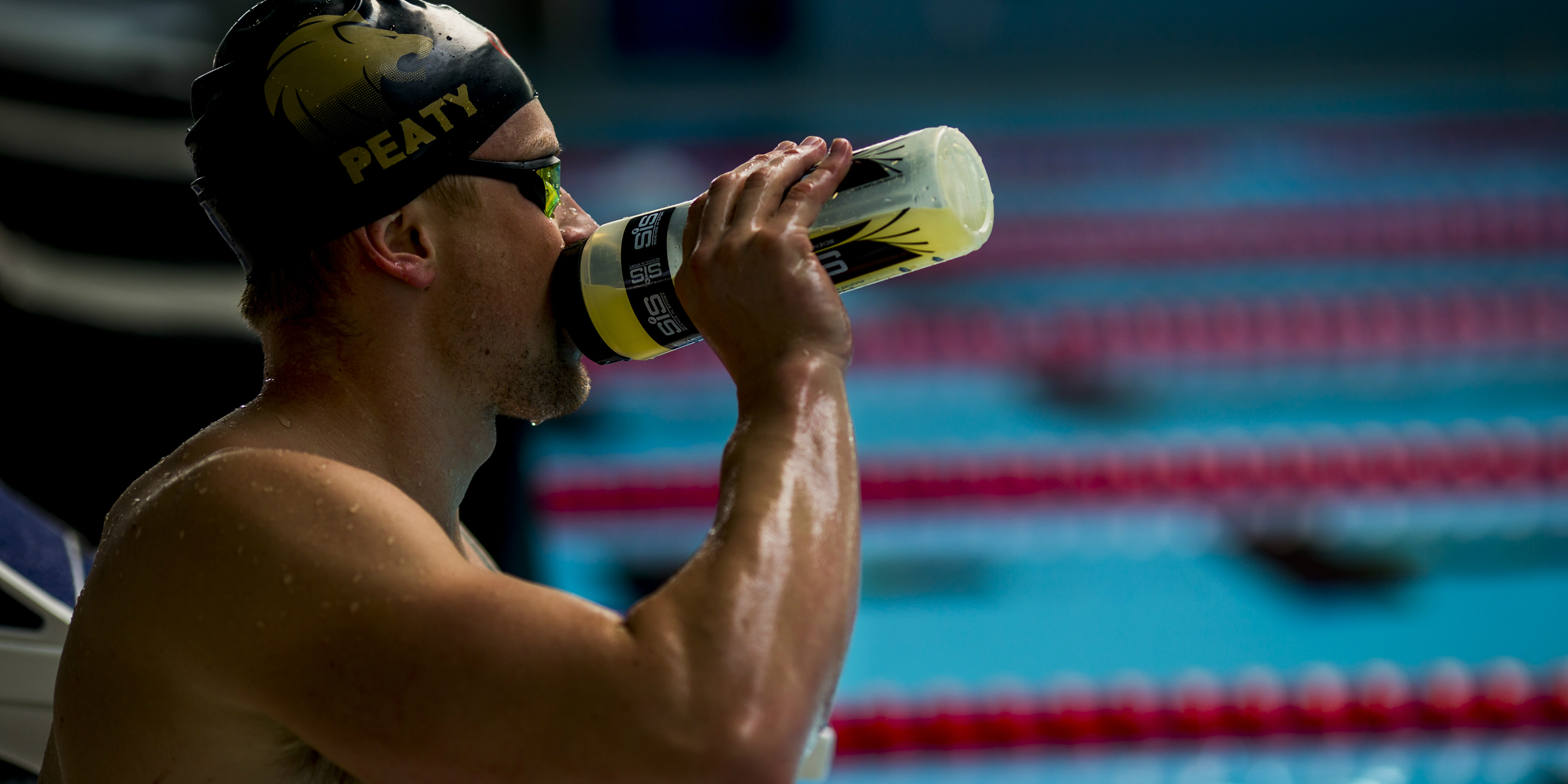
Although there is little opportunity to eat or drink during a swim, that does not mean you can ignore your nutrition strategy. It would be frustrating to lose the benefit of many hours of training simply because your energy suddenly ran out.
Below, we cover the main factors that can improve the quality of your sessions and your recovery.
Nutrition during training
Test foods and sports nutrition during training to understand what works well for you before using the same strategy in competition.
Energy before swimming
If you train early in the morning, choose an easily digested source of carbohydrate such as a smoothie or sports drink. A light option such as toast, a banana or an energy bar may also work. Before an afternoon or evening swim, choose a familiar snack containing approximately 50 g of carbohydrate around 60 to 90 minutes before training.
How should you fuel while swimming?
If you swim for more than an hour, or start the session immediately after running or cycling, you may need additional fuel. Keep isotonic energy gels and an electrolyte drink at the side of the pool. Experiment during training to find a swimming nutrition strategy that does not cause surprises on race day.
Recovery after swimming
Starting another pool session before you have recovered can reduce training quality and increase accumulated fatigue. Plan your recovery in advance. A recovery drink containing protein and carbohydrate can be used within 30 minutes after training alongside a balanced meal.
Do swimmers need an electrolyte drink?
Sweat loss in a pool is often lower than during running or cycling, but fluid and electrolyte losses still need to be replaced. Weighing yourself before and after training can help estimate your individual fluid loss. Rehydrate gradually after the session and consider an electrolyte drink when losses are meaningful.
Sports nutrition for swimming competitions
A race may last only a few minutes even though an athlete has prepared for it for months. Competition nutrition deserves the same advance planning as training.
Carbohydrate loading
For longer events, begin topping up glycogen stores during the 48 hours before the competition. Familiar carbohydrate-rich foods such as pasta, oats, rice and buckwheat can form part of this preparation.
Before the competition
Do not skip breakfast on race day. Eat familiar food around two and a half to three hours before your event, prioritise carbohydrate and arrive well hydrated. Adjust the amount of fluid to your needs and the conditions.
Fuel during the swim
Up to 90 minutes
The priority is to avoid starting dehydrated. Replenish fluid and electrolytes before the race. If you have tested caffeine in training and tolerate it well, a caffeinated product may be used before the start as part of your planned total intake.
More than 90 minutes
Long events require additional energy. Begin fuelling early and work towards a carbohydrate intake that you have already practised in training. Isotonic gels are easy to carry and do not need to be taken with water immediately. For a pool event, a carbohydrate drink can be kept at the poolside where the rules allow it.
Recovery
After racing, cool down gently and allow your breathing to settle. Within 30 minutes, begin replacing fluid, carbohydrate and protein, then eat balanced meals during the rest of the day. Change into dry clothing promptly and prioritise sleep.
Good recovery is part of successful training, not an optional extra.
Summary: how SiS products can support swimming
- Do not underestimate the importance of everyday nutrition for swimming.
- Test all sports nutrition during training before using it in competition.
- Do not begin a session with depleted energy stores. Familiar carbohydrate drinks, bars or other easily digested foods can help.
- For longer sessions, plan fluid and electrolyte intake according to your individual losses.
- During long events, use a carbohydrate source that you have already tested, such as isotonic gels or a carbohydrate drink.
- Begin recovery promptly after training or racing with fluid, carbohydrate and protein.
Most importantly, both training and nutrition should be sustainable and enjoyable.
Author: Valentyna Petrushenko
Published: 9 July 2021